

Recently relocated from Dorset to Brighton. The reviews on this site are from my Dorset clients, and I am now building my Sussex client base.
East Sussex
Larger projects
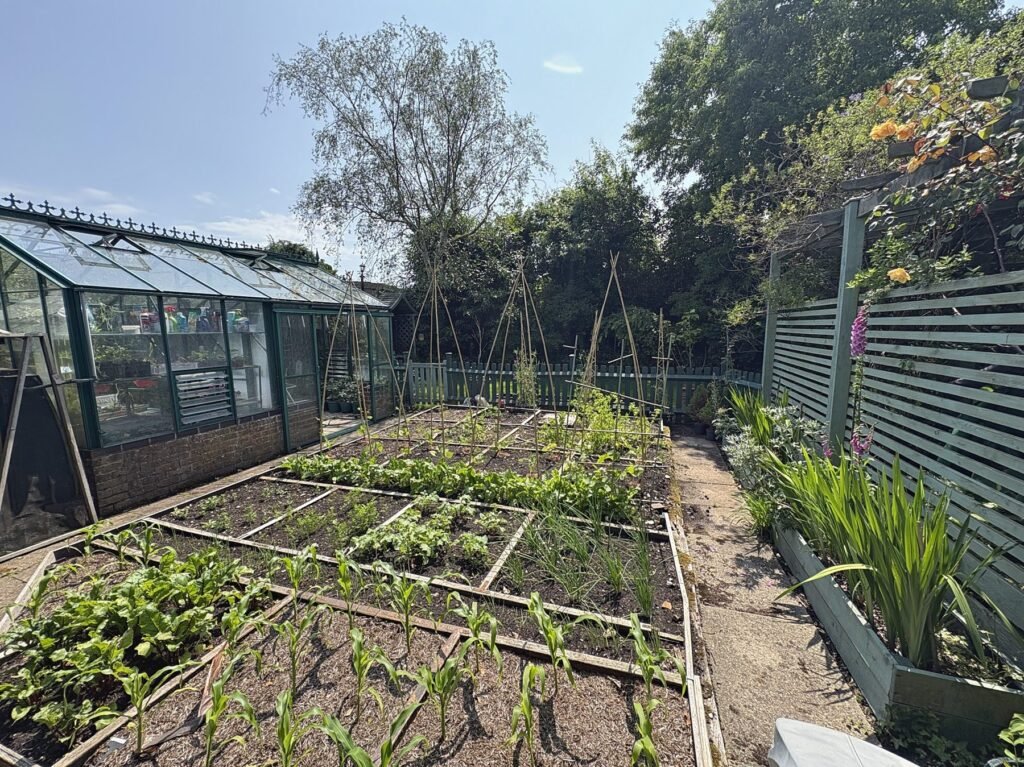
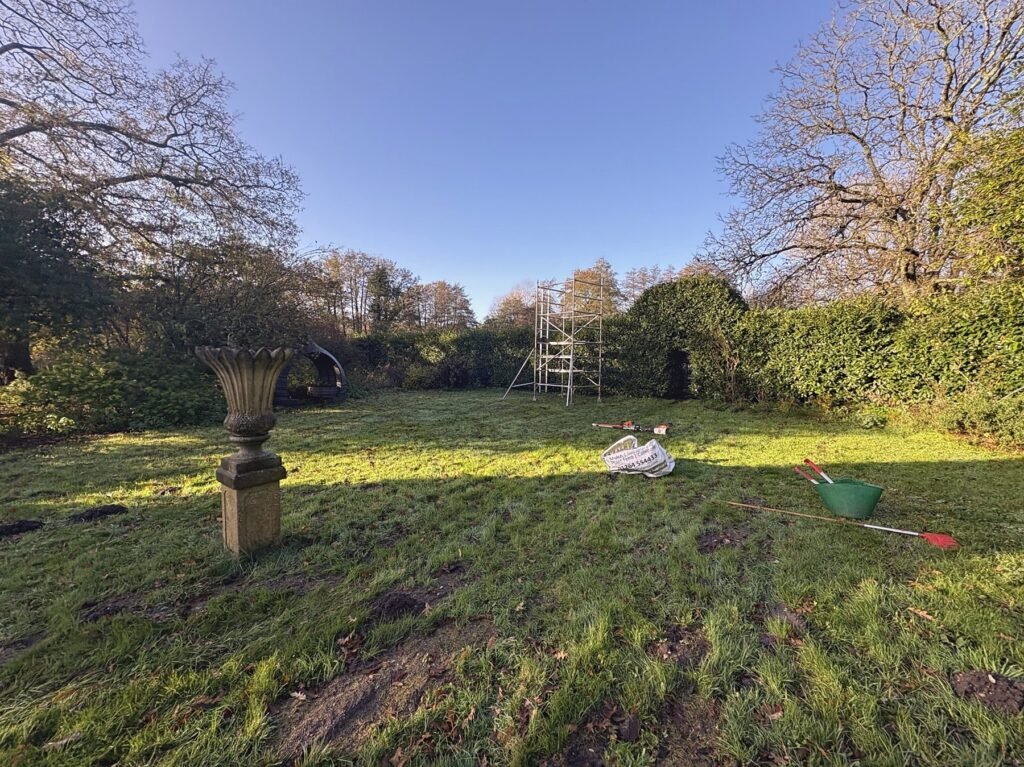
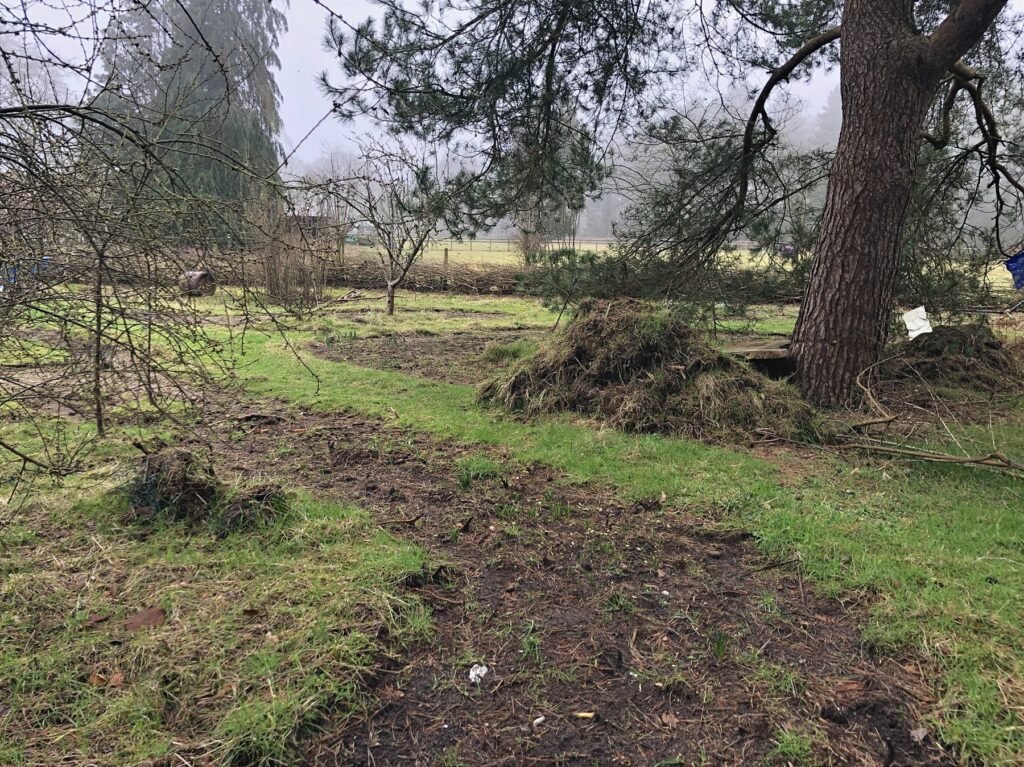
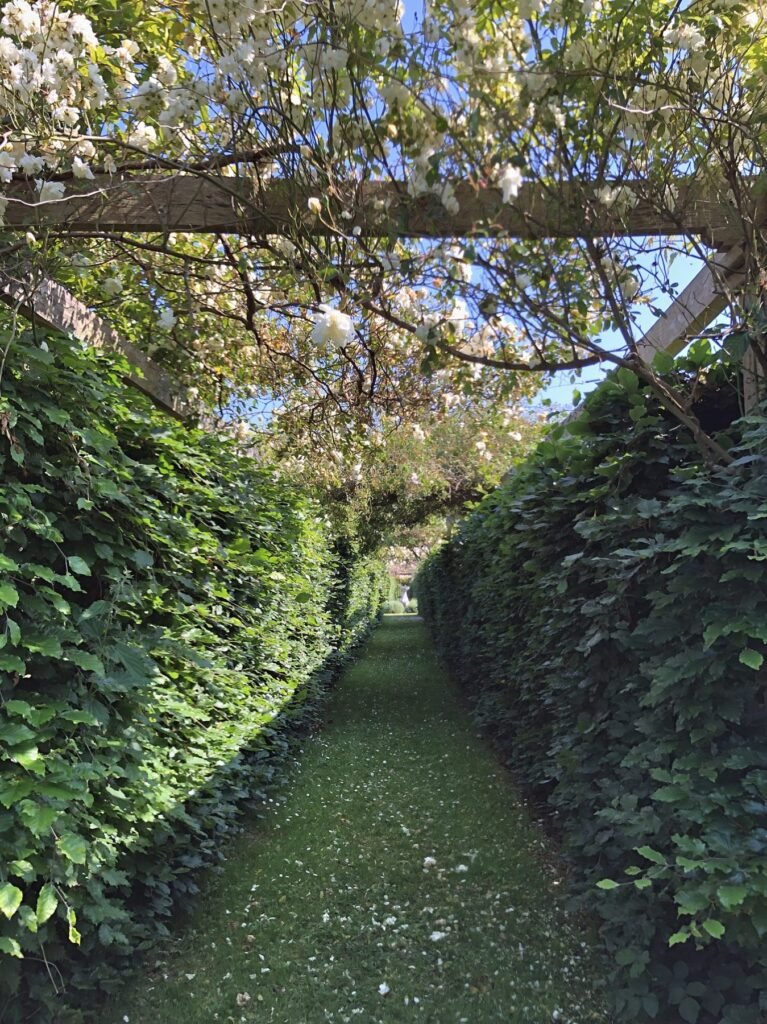
While I am there
A half barrel or large watertight container, sunk or set in a sunny corner and planted for wildlife. A small, safe water source for insects, amphibians and birds, without any digging.
How it works
01
02
03
04
Questions
Yes. Most people add a project to regular care or a renovation, but each one can be done on its own, from a single compost bin to a whole meadow. Every job starts with a free site visit, so I can see the space before suggesting anything.
A mixed native lawn is greener for longer in dry spells, needs less feeding and mowing, and supports far more insects than a close-cut grass lawn. It still works as a lawn, and a mown path or area keeps it usable. It does take careful preparation and the right sowing time, which is where doing it properly matters.
A lawn is cut often enough to walk and play on. A meadow is cut once or twice a year, so flowers and taller grasses can set seed. Many gardens suit both: a lawn near the house, a meadow further out, and mown paths linking the two.
Patience is part of it. Preparing the ground and sowing or planting takes days, but the first year is mostly grass, and the flowers build over two or three seasons as the cutting routine settles. I explain the routine at the start so there are no surprises.
Mixed native species such as hawthorn, hazel, field maple, dog rose and blackthorn, planted at the right spacing and protected while they establish. A good native hedge offers shelter, blossom, berries and nesting cover. I choose the mix to suit your soil, site and the look you want.
Often, yes, when they are put in the right place. That is half the job, so I think about aspect, shelter and how the feature connects to the planting around it, rather than just fixing it to the nearest wall.
Yes. A micro pond uses a half barrel or other watertight container, set in a sunny spot and planted with the right plants and a way out for visitors. It gives insects, amphibians and birds a safe water source, and it can be added to almost any garden. I do not dig large ponds.
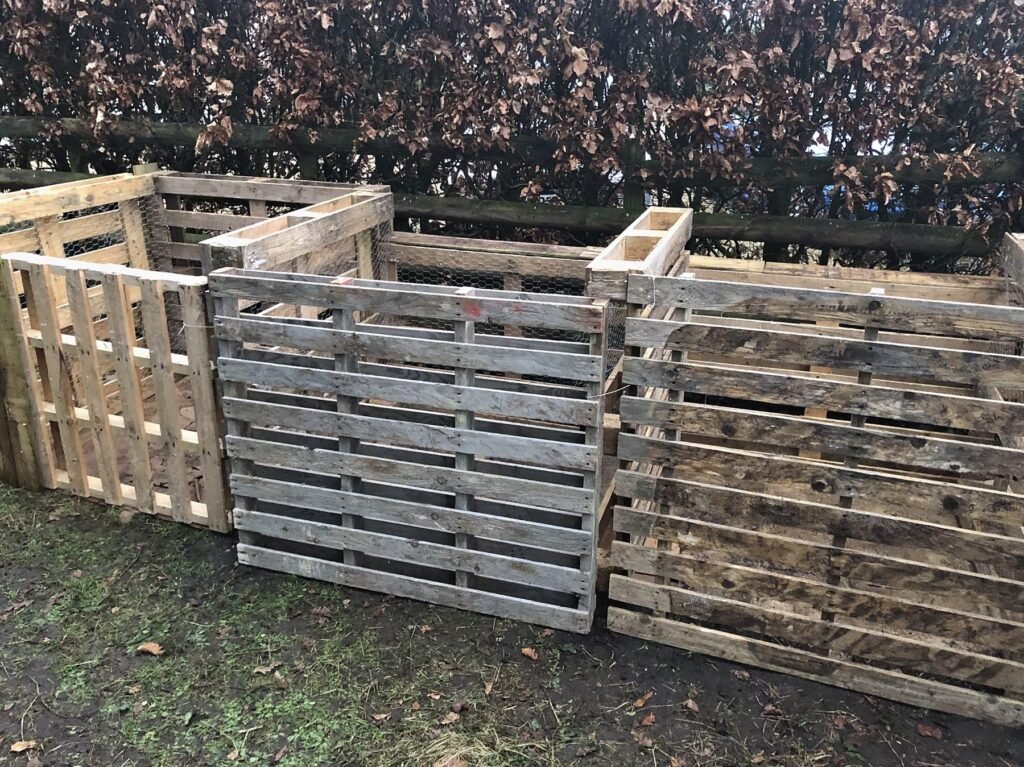
They are one of the cheapest and lowest-maintenance projects in the garden. A well-sited set of bins turns prunings, leaves and kitchen scraps into free compost and mulch, cuts down on skip and tip costs, and keeps nutrients on site. I build them from sturdy pallets or timber, in a set so one bin can fill while another rests.
Yes. Habitat creation is part of what I do, and it starts with a free site visit. We look at what the site already supports, then decide what would add the most, from a wildlife corner to meadows, hedges and planting.
Of course. I work from a fixed hourly or day rate, and you can read how I charge.